
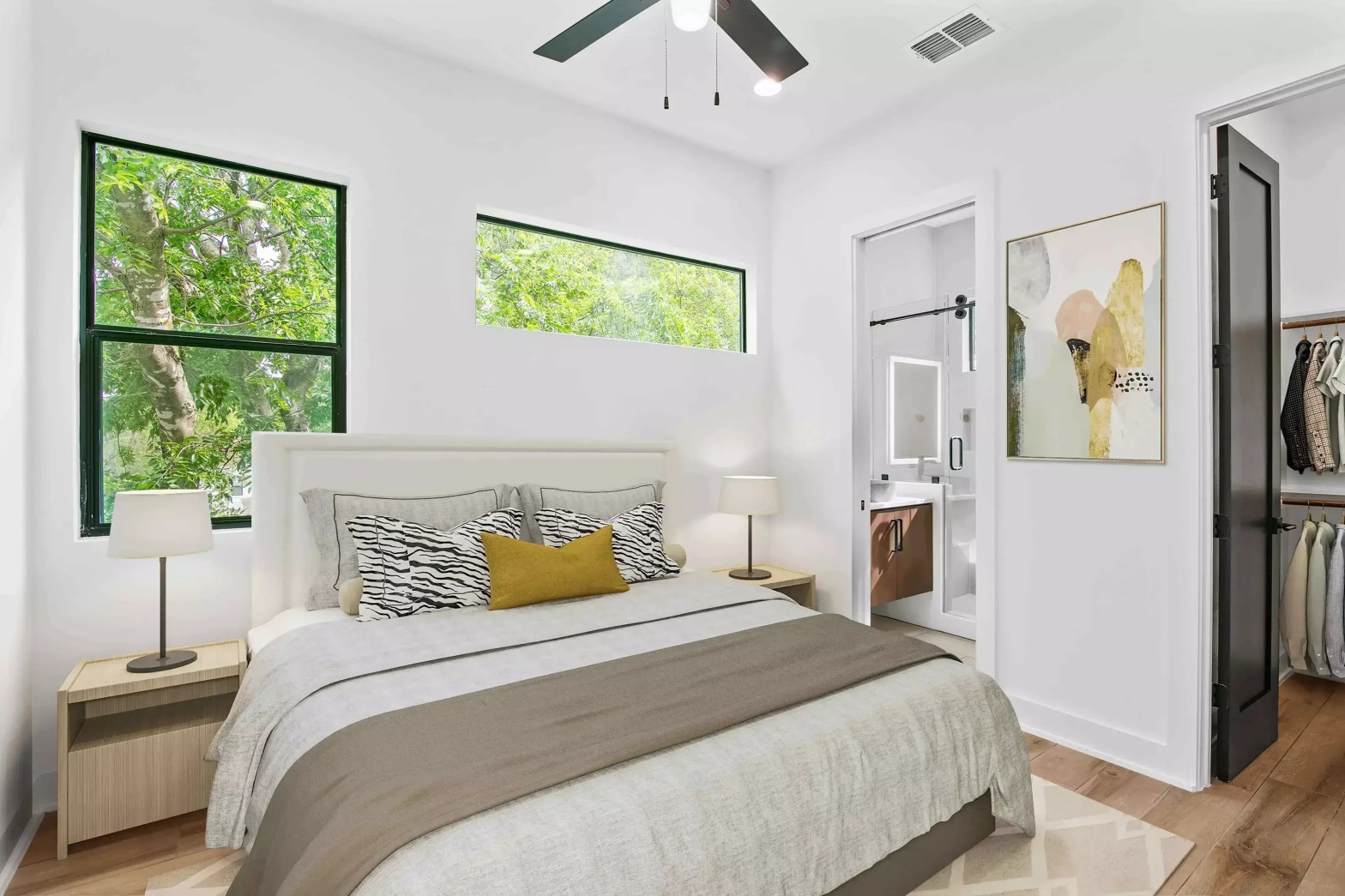
So-called ‘home staging’ has become a significant part of selling a house in our post-instagram, image-conscious age. No longer is it enough for a home to be good. It must also be presented perfectly in photo form and person. By creating this visual appeal, sellers can grab the buyer’s attention.
Here, we explore home staging and examine the differences between virtual and traditional staging. Each one impacts the selling process differently, so it’s essential to know which is best if you sell your home. Traditional staging involves physically setting up a house with furniture and decor, while virtual staging uses digital techniques to enhance empty spaces. Each can impact seller timelines in different ways, both in terms of cost and the impression buyers are left with.
Key Takeaways
- Home staging is vital for making properties attractive to buyers.
- Virtual staging offers a cost-effective and flexible alternative to traditional methods.
- Understanding each staging option helps us make informed decisions when selling a home.
Purpose Of Staging
Get Buyers To Imagine Their Life In The Home
When we stage a property, we want buyers to imagine themselves living in the home. Using furniture and decor that creates a warm and inviting space, we can evoke emotions that make buyers see themselves in the space.
For example, we might set up a cozy living room with comfortable seating and personal items like books or art. These visual cues can make a significant impact and get buyers to feel an emotional connection to the home.
Shows How The Space Can Be Used
One of the purposes of staging is to show how each room can be used. Proper staging allows us to show how areas can serve multiple purposes for different lifestyles.
For example, if an empty room looks impossible, staging it as a playroom or office shows buyers how it can be used. We can create visual paths in the layout that guide the buyer’s eye and make the space feel more significant and more practical.
By defining the spaces, we help buyers visualize their daily routines and how they would use each area.
Makes The Property More Desirable To Buyers
A pretty home will grab a buyer’s attention. We want to present the property in the best possible light, and staging makes the home look well-maintained and inviting.
Nice colors, furniture, and tasteful decor can create a polished space. When buyers walk in, they should feel instant comfort and desire.
By making smart staging choices, we can increase the home’s overall impression, potentially increasing its value and time on the market.
What Is Traditional Staging?
Traditional staging involves preparing a home to make it look appealing to buyers. Real furniture and decor can showcase the property’s best features, creating an inviting space that makes buyers want to imagine living there.
Pros
Traditional staging has an instant impact. A staged home causes potential buyers to emotionally connect with the property as they imagine their lives transposed into their new home—sitting in that chair, cooking at that stove. This emotional connection can often lead to faster offers and higher sales prices.
Also, staged homes look more inviting and significant. We can highlight the home’s best features and hide its flaws with the right furniture and decor. Traditional staging also makes it easier for professional photography to showcase the home’s potential.
Lastly, buyers like to see a move-in-ready home, which can reduce the back-and-forth during negotiations. Having a staged home allows us to present our properties confidently.
Cons
Despite its pros, traditional staging can be time-consuming. This process can take several days or weeks to complete. A TA delay in listing the property can result in missed opportunities in a heated market.
Another con is traditional staging. Unless you have a keen eye, professionals may need to give the property a polished look by examining current furniture and decor. This could cost a lot and may not fit every seller’s budget.
Lastly, once a home is staged, maintaining its perfect look for showings can be challenging. We have to ensure the house is clean and tidy, which can add to the stress of the selling process.
What Is Virtual Staging?
Virtual staging is a modern way of showcasing homes for sale using digital technology. The software allows sellers to add furniture and decor to improve photos of empty spaces. The impact on buyers is similar—it helps them imagine themselves and their families in the home and how it could look once furnished.
We like virtual staging for vacant properties. It gives us a competitive edge by making spaces look more inviting. Instead of an empty room, buyers see a decorated space that shows the property’s potential.
Pros
One significant advantage of virtual staging is its cost. Traditional staging, as well as furniture rental and setup, can be expensive. Virtual staging costs between $32 and $100 per room, so it’s an option for many sellers.
Another is flexibility. Virtual staging allows us to create multiple design options for a room. We can change styles and layouts without moving any physical items, allowing us to show the home’s best features to different buyers.
Virtual staging is also time-efficient. Unlike traditional staging, which can take days to set up, virtual staging can be done quickly, allowing us to list the property sooner.
Cons
Despite its benefits, virtual staging also has some cons. Because it only shows a visual representation of the space, buyers cannot walk through it in person, leading to a false sense of how it looks and feels.
Another con is the risk of misrepresentation. If the virtual images are overedited, buyers may be disappointed when they visit. We have to make sure virtual staging gives an accurate view of the home.
Lastly, some buyers may still prefer traditional staging. They like to see actual furniture and decor, which helps them imagine living in the space.
Choosing The Right Option
We need to consider several factors when deciding between virtual and traditional staging. Each option serves a purpose and fits different situations. Our choices revolve around budget constraints, the type of property we’re dealing with, our target audience, and our marketing goals.
Budget
Budget is often the first consideration when choosing a staging option. Traditional staging can be expensive, ranging from hundreds to thousands of dollars. This includes hiring movers, renting furniture, and possibly hiring a designer.
Virtual staging is typically cheaper for the average seller. The costs start at $32 and rise to $100 per room. Thus, sellers can showcase their property without breaking the bank.
Property Type
The type of property is also a consideration. Traditional staging suits high-end homes where we want to create a luxury experience. It helps buyers visualize living in the space, which can lead to higher offers.
Virtual staging is the way to go for vacant homes or homes that need renovation. It can dramatically transform empty spaces without the hassle of acquiring physical furniture.
Target Audience
Knowing our target audience is key to choosing the proper staging method. If we’re selling to first-time buyers, they may appreciate the practicality and creativity of a virtually staged space. Traditional staging may be more effective for luxury buyers who want a high-touch experience. We should analyze our target buyers’ preferences and expectations. This will guide us to the most appealing staging option that resonates with our target market.
Marketing Goals
Our marketing goals will also help us decide between virtual and traditional staging. Virtual staging can give us faster results if we want quick sales and need to speed up the process. We can list the property sooner, which will attract eager buyers.
On the other hand, traditional staging is more beneficial if we want to showcase a premium property through open houses or in-person tours. It provides a tangible experience that online images can’t capture. Aligning our staging choice with our marketing goals will make our property appeal to buyers.
Why Virtual Staging?
Virtual staging is a more affordable option for many homeowners. It allows us to stage a property without the significant expense of renting furniture and decor.
This method is typically more versatile, allowing vendors to show multiple design styles quickly. Buyers can then see different looks in the same space.
Time is also a factor. Virtual staging is faster to complete than traditional staging, so we can list homes sooner, which is essential in a competitive market.
Virtual staging allows us to create beautiful visuals for online marketing. High-quality images attract attention and can lead to more views and inquiries.
One significant advantage is that virtual staging can adapt to different rooms and layouts. We can customize each image to highlight the property’s best features. Lastly, virtual staging is eco-friendly. We don’t need to move furniture in and out, which reduces our carbon footprint.
Conclusion
Virtual staging is affordable, flexible, and fast, meeting today’s real estate needs. It has the tools to help sellers create a reimagined version of their property to advance their sales according to their schedule. At Optica Photo, we specialize in helping real estate agents and sellers showcase properties at their best with our expert virtual staging services. Contact us today to elevate your property listings and make a lasting impression on potential buyers!

